
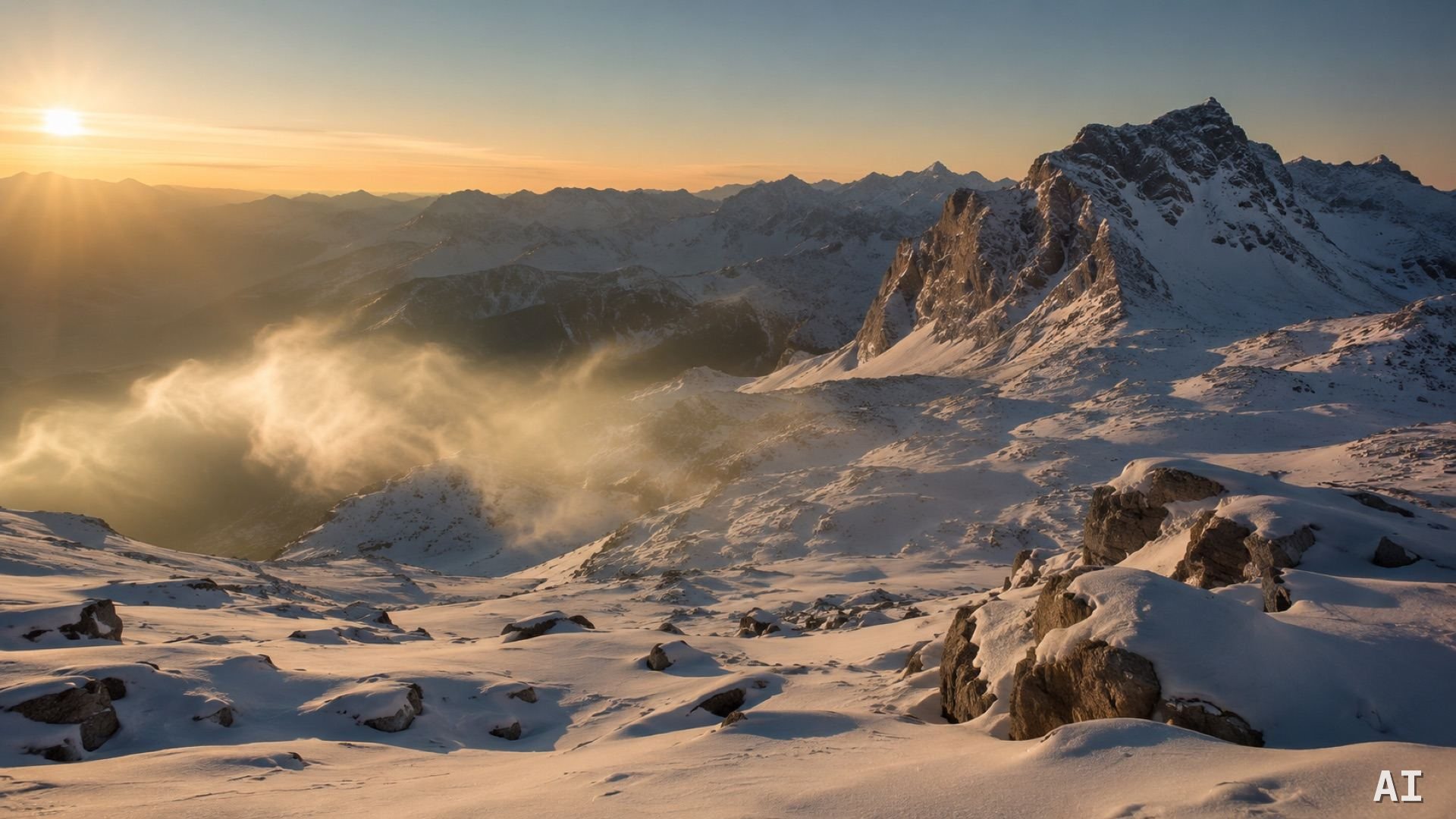
The Paradigm Shift: Conscious Luxury
The metrics of luxury have shifted. Premium travellers increasingly demand proof of "conscious luxury": a model where their presence does not degrade the fragile alpine environment. In this context, we see Balma not just as a hotel, but as a microcosm of sustainable integrity in Zug. We represent the "Third Wave" of alpine tourism: moving away from material excess toward substantial ecological and technological intelligence.
Energy Autonomy: From Biomass to Photovoltaics
Our energy supply is based on a radical mix of tradition and high-tech. The foundation is our connection to the Lech Biomass Heating Plant, providing us with carbon-neutral heat from regional residual wood. But we go further: A high-performance photovoltaic system on our roof converts alpine sun directly into electricity. Inside, a state-of-the-art ventilation system with heat recovery (heat pump) ensures no energy is wasted. Paired with intelligent, sensor-controlled lighting systems that automatically adapt to conditions, we massively minimise our ecological footprint.
Architecture: Rewriting Alpine Heritage
Our design philosophy seeks to resolve the tension between alpine kitsch and cold modernism. We use materials historically proven in this climate, steep roofs for snow loads, timber cladding, stone bases, and translate them into a contemporary form. This minimises the building's "cultural footprint" and honours Walser building culture through functional aesthetics rather than mere decoration.
Innovation in Detail: 3D Printing & Hydroponics
For us, sustainability also means technological independence. We utilise cutting-edge 3D printing technology to design and repair spare parts ourselves ("Right to Repair") instead of throwing away entire devices. We also solve logistical issues like custom sorting systems through our own designs. In the kitchen, our basil grows in a hydroponic system: completely soil-free and water-efficient, right where it is used. This is "Zero Kilometre" logistics in its purest form.
Culinary: The Science of 72 Hours
Our culinary heart beats to the rhythm of "Slow Food." Our pizza is based on a 72-hour dough fermentation. This long resting period breaks down complex starch chains, making the product extremely digestible. We combine authentic imports (San Marzano tomatoes) with strict regional sourcing (Vorarlberg timber, Tyrolean fruit brandies) and our own hydroponic herbs. We actively fight food waste through an intelligent à la carte system instead of wasteful buffets.
Cleanliness Without Compromise
Ecological responsibility does not stop at food. In our rooms, the kitchen, and throughout housekeeping, we consistently rely on fully biodegradable detergents and cleaning agents. We prove that hygienic excellence in the hotel industry is possible without aggressive chemicals.
The Third Wave
We invite you to be part of this movement. Sustainability at Balma is not a marketing strategy, it is woven into every decision, from the photovoltaics on the roof to the basil in the kitchen.
Sources & References
Energieautonomie Vorarlberg
Vorarlberg's official initiative to achieve complete energy autonomy by 2050, covering renewable energy targets and the e5 municipal programme.
Austrian Ecolabel for Tourism (Umweltzeichen)
The world's first national eco-label for tourism, established in 1996. Certifies hotels and destinations meeting strict environmental and service quality standards.
Vorarlberg State Government -- Energy Policy
Official state government page on the Energieautonomie+ framework, the 50-50-100 intermediate targets, and regional climate protection measures.
Lech Zurs Tourism -- Sustainability
Official destination portal documenting sustainability initiatives in the Lech Zurs region, from renewable energy to responsible tourism practices.
Ski Arlberg -- Environmental Responsibility
Austria's largest interconnected ski area with information on sustainable lift operations, snowmaking efficiency, and environmental management.
Global Sustainable Tourism Council (GSTC)
International body setting global standards for sustainable travel and tourism, referenced in the Austrian Ecolabel certification criteria.